
Essential Oils for the Overwhelmed: 5 Allies for Emotional Balance
In a world that moves at breakneck speed, feelings of overwhelm, anxiety, and emotional fatigue are increasingly common. While lifestyle changes and therapy remain foundational, aromatherapy is emerging as a complementary tool for emotional regulation. Below, we explore five essential oils—lavender, petitgrain, vetiver, clary sage, and bergamot—that have shown empirically supported benefits for emotional balance.
1. Lavender (Lavandula angustifolia)
Lavender is perhaps the most studied essential oil for anxiety and emotional well-being. It has been shown to possess anxiolytic (anti-anxiety) effects and promote calm without sedation.
A randomized controlled trial found that oral lavender oil (as Silexan) significantly reduced symptoms of generalized anxiety disorder compared to placebo, with effects comparable to lorazepam (Woelk & Schläfke, 2010). Inhalation of lavender essential oil has also been shown to reduce anxiety scores in clinical settings, such as during dental visits and childbirth (Kritsidima et al., 2010; Hur et al., 2007).
How to use: Diffuse at home or inhale directly from a cotton ball before bed or during stressful moments.
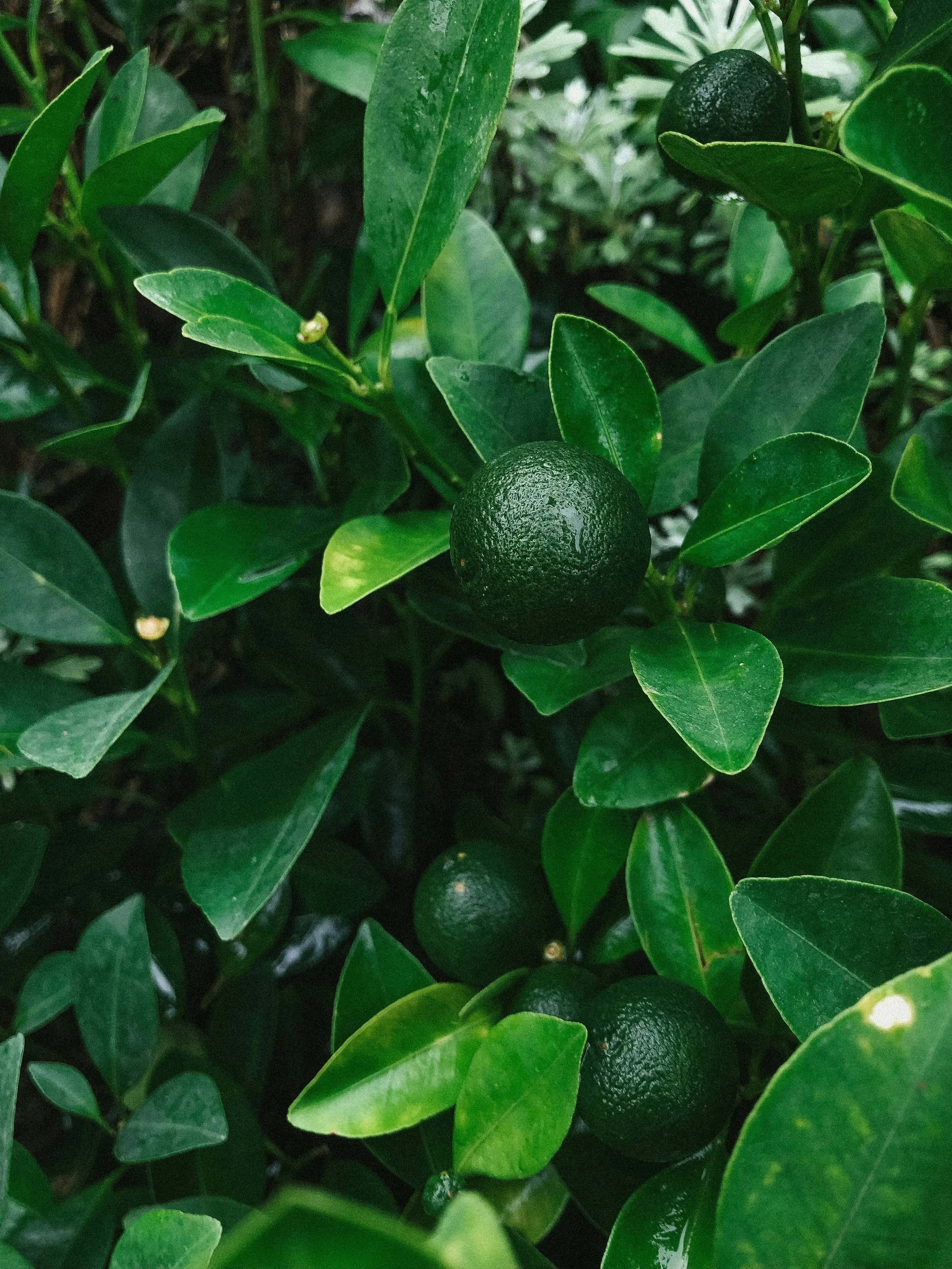
2. Petitgrain (Citrus aurantium var. amara)
Distilled from the leaves and twigs of the bitter orange tree, petitgrain has a woody-citrus scent and contains linalyl acetate and linalool—compounds also found in lavender that contribute to its calming effects.
Inhalation of Citrus aurantium essential oil (which includes petitgrain and neroli) has been associated with reductions in anxiety and improvements in sleep in patients undergoing hemodialysis (Hashemi et al., 2016). Petitgrain essential oil has also been noted in preliminary studies for its sedative effects, likely due to its influence on the parasympathetic nervous system.
How to use: Add a few drops to a diffuser or mix with a carrier oil for a calming massage.
3. Vetiver (Vetiveria zizanioides)
Earthy and grounding, vetiver oil is prized for its stabilizing properties. It’s often used in Ayurvedic medicine to calm the mind and body, and modern research supports this traditional use.
A study by Wu et al. (2020) found that vetiver oil significantly reduced sympathetic nervous system activity in healthy adults, suggesting a role in reducing stress responses. EEG (electroencephalogram) studies have shown that inhalation of vetiver increases theta brain wave activity, associated with deep relaxation and reduced anxiety (Hongratanaworakit, 2011).
How to use: Apply diluted to the soles of the feet or pulse points in the evening.
4. Clary Sage (Salvia sclarea)
Known for its mood-lifting and mildly euphoric properties, clary sage is often used to reduce emotional tension and support hormonal balance.
A 2014 study demonstrated that inhalation of clary sage oil significantly reduced cortisol levels and improved mood in women with depression and menopausal symptoms (Seol et al., 2014). Other research shows anxiolytic and antidepressant-like effects, potentially linked to the oil’s influence on serotonin pathways (Atsumi & Tonosaki, 2007).
How to use: Use in a personal inhaler or diffuse during emotionally charged moments.
5. Bergamot (Citrus bergamia)
With its bright, citrusy aroma, bergamot is frequently used to relieve stress and improve mood. It contains compounds like limonene and linalool, which have been shown to modulate neurotransmitter activity in the brain.
A randomized controlled trial found that inhaling bergamot essential oil for 15 minutes reduced salivary cortisol and improved positive feelings in healthy individuals (Watanabe et al., 2015). Other studies support its use in reducing anxiety in preoperative patients (Ni et al., 2013).
How to use: Diffuse in the morning or mid-afternoon to uplift and reset.
Aromatherapy is not a cure-all, but when used intentionally, it can serve as a meaningful adjunct to other wellness practices. The essential oils highlighted here—lavender, petitgrain, vetiver, clary sage, and bergamot—have all shown empirical support for their calming, mood-stabilizing, and emotionally balancing effects. Consider incorporating one or more of these botanical allies into your routine to support greater emotional resilience and balance.
Safety Notes
Always dilute essential oils before applying them to the skin. Citrus oils like bergamot can increase photosensitivity—avoid sun exposure after topical use. Individuals with underlying health conditions or those who are pregnant should consult a qualified healthcare provider before use.
References
Atsumi, T., & Tonosaki, K. (2007). Smelling lavender and rosemary increases free radical scavenging activity and decreases cortisol level in saliva. Psychiatry Research, 150(1), 89–96. https://doi.org/10.1016/j.psychres.2005.12.012
Hashemi, N., et al. (2016). The effect of aromatherapy with Citrus aurantium on sleep quality in patients undergoing hemodialysis: A randomized clinical trial. Complementary Therapies in Clinical Practice, 25, 42–47. https://doi.org/10.1016/j.ctcp.2016.08.001
Hongratanaworakit, T. (2011). Aroma-EEG study of vetiver essential oil in humans. Natural Product Communications, 6(10), 1435–1438.
Hur, M. H., et al. (2007). Effects of aromatherapy on anxiety and sleep in patients with post-operative cardiac surgery. Journal of Korean Academy of Nursing, 37(6), 863–871.
Kritsidima, M., Newton, T., & Asimakopoulou, K. (2010). The effects of lavender scent on dental patient anxiety levels: a cluster randomised-controlled trial. Community Dentistry and Oral Epidemiology, 38(1), 83–87. https://doi.org/10.1111/j.1600-0528.2009.00511.x
Seol, G. H., et al. (2014). Antidepressant-like effect of clary sage oil in animal models of depression. Journal of Ethnopharmacology, 155(1), 267–275. https://doi.org/10.1016/j.jep.2014.05.004
Watanabe, E., et al. (2015). Effects of bergamot (Citrus bergamia (Risso) Wright & Arn.) essential oil on salivary cortisol and mood states in healthy adults: A randomized controlled trial. Phytotherapy Research, 29(3), 397–403. https://doi.org/10.1002/ptr.5261
Woelk, H., & Schläfke, S. (2010). A multi-center, double-blind, randomised study of the lavender oil preparation Silexan in comparison to lorazepam for generalized anxiety disorder. Phytomedicine, 17(2), 94–99. https://doi.org/10.1016/j.phymed.2009.10.006
Wu, C.-H., et al. (2020). The effect of essential oil inhalation on autonomic nervous system regulation in healthy adults: A randomized controlled trial. Journal of Alternative and Complementary Medicine, 26(9), 789–796. https://doi.org/10.1089/acm.2019.0433